
In most cases, yes. Refurbishing the home you already have works out cheaper than moving, once you factor in tax, fees, and the simple fact that you already own the plot you’re standing on. The exception is when your house is genuinely in the wrong place for your life; no amount of building work fixes that. But if the problem is space, layout, or an outdated kitchen, staying and building is usually the smarter move.
A Question We Hear in Almost Every Eastbourne Living Room
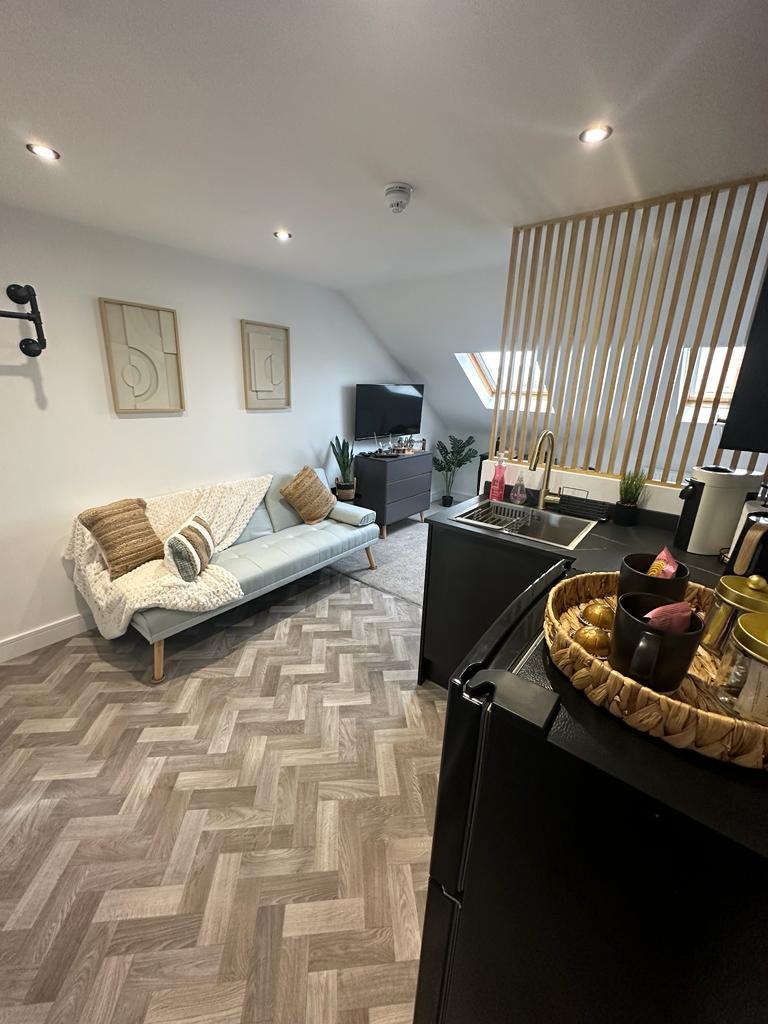
I’m James Pettitt, founder of JP Projects UK Ltd, and this is the conversation I have more than almost any other. A family has outgrown their home. The kids need their own space, the kitchen’s too small for how they actually live now, and the instinct is to start scrolling through the property portals.
Then the sums start creeping in. Tax on the next place. Fees to sell this one. Solicitors, twice. A survey. A removal van. Weeks of uncertainty, a chain that could fall apart at any point, and a “new” house that will probably need its own list of jobs done anyway.
At JP Projects UK Ltd, we sit down with homeowners across Eastbourne, Meads, Old Town, and the surrounding villages and talk through both routes honestly, refurbishing against moving, extending against relocating. More often than people expect, staying put and building is the calmer, more sensible, and better-value choice. Here’s why.
Moving means paying to leave a house you already own outright. Refurbishing means putting that same effort into the house you’re already in.
What Does Moving House in Eastbourne Actually Involve?
Selling up and buying somewhere bigger in Eastbourne sounds simple until you start listing everything that has to happen along the way.
There’s stamp duty to pay on the new place, a straight cost with nothing to show for it beyond the right to own the property. There are estate agent fees to sell your current home. Solicitors are needed for both sides of the transaction, plus searches, Land Registry work, and the usual paperwork. Most buyers also want a survey done, and if anything unexpected turns up, that can mean renegotiating or walking away entirely. Then there’s the actual move: a removal firm, time off work, and the general chaos of packing up a life and unpacking it somewhere new.
None of this is quick, either. Between finding a buyer, waiting on a chain, and going through the legal process, a straightforward move can easily take several months, longer if anything goes wrong along the way. And once you’re in, there’s almost always a list of “get round to it” jobs in the new place too.
Moving isn’t just expensive, it’s slow, stressful, and there’s no guarantee it actually solves the problem you started with.
What Does Refurbishing or Extending a House Involve?
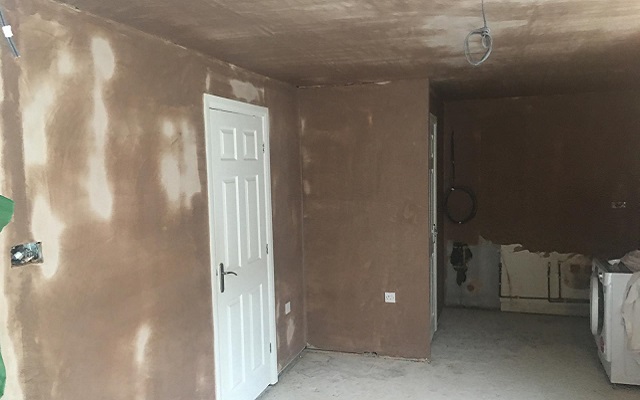
Now compare that against building the extra space onto the house you already know and like.
A well-planned single-storey extension, enough for a proper kitchen-diner or an extra bedroom, is a defined, contained project. You know your garden, your neighbours, and your street already. Many rear extensions also fall under permitted development rules, meaning a full planning application often isn’t needed at all, provided the build stays within some fairly generous size limits. That alone saves time, uncertainty, and a fair bit of back-and-forth with the council.
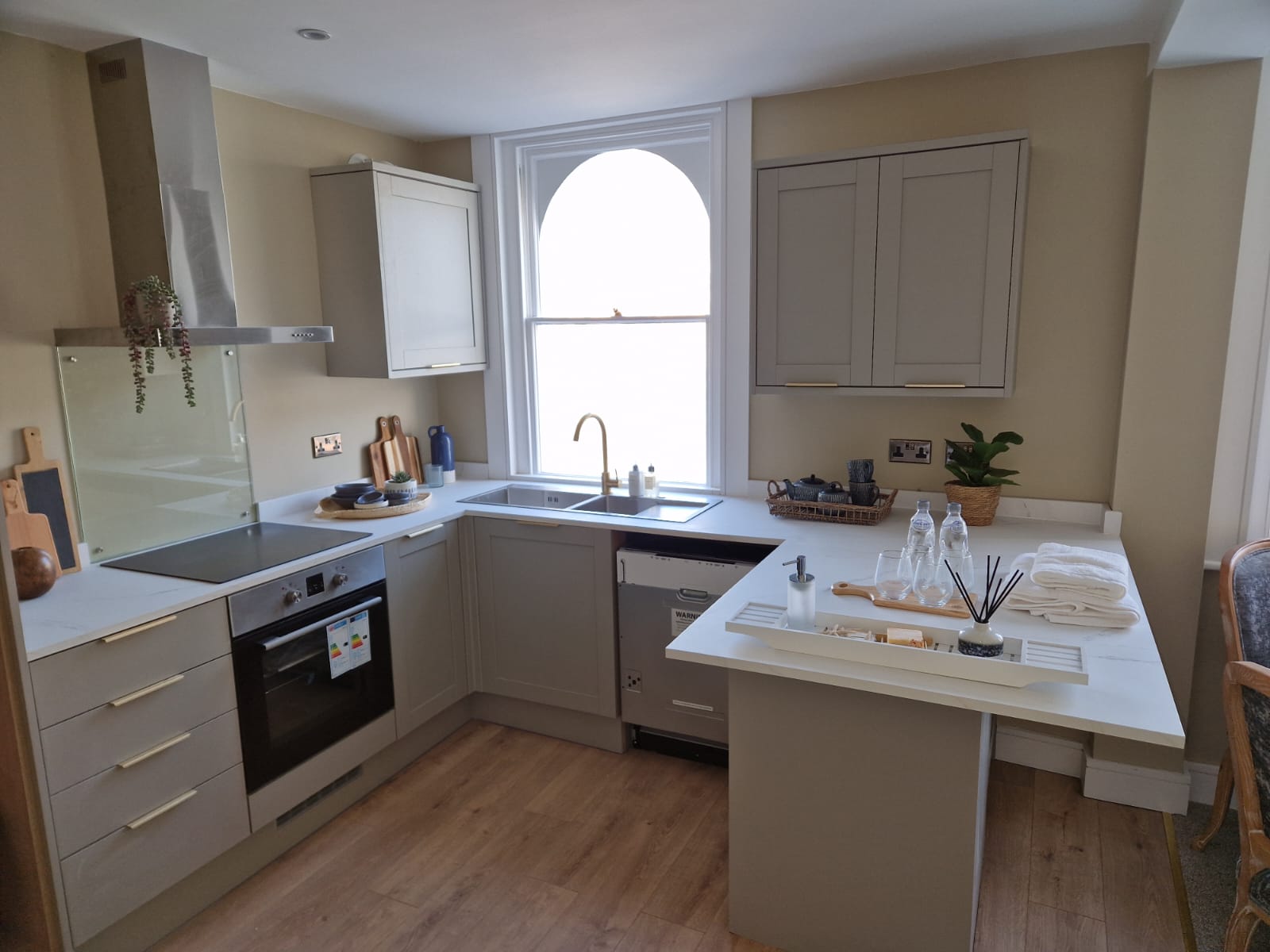
At JP Projects UK Ltd, our House Extensions service takes care of exactly this kind of project from initial design right through to the final coat of paint, and our Building Refurbishment service handles the equally common alternative: reworking your existing layout, replastering tired rooms, rewiring, replumbing, and generally bringing a house back to life without adding a single brick.
If an extension is more than you need and your walls are simply tired rather than your floorplan being too small, our guide on how to know if your walls need replastering in Eastbourne is worth a read next.
An extension or refurbishment solves your space problem permanently. Moving just relocates the same problem to a different postcode, and you start the search for solutions all over again.
What Adds the Most Value When Renovating a House?
Not every improvement pays you back, but a handful of upgrades consistently do:
- Extra living space. A well-built extension, loft conversion, or garage conversion tends to be the single biggest driver of added value, because you’re increasing the usable size of the house itself.
- A modernised kitchen. Buyers still judge a home by its kitchen more than almost any other room.
- An extra bathroom. Especially valuable in larger family homes that currently make do with just one.
- Better energy efficiency. Good insulation, decent glazing, and a modern heating system help with both running costs and how a home is rated, something buyers increasingly ask about.
- General condition and presentation. Fresh plastering, neutral decor, and a tidy exterior cost relatively little but make a real difference to how a home is perceived.
Where people sometimes waste their money is on highly personal features, elaborate landscaping, or niche high-end fittings that suit their own taste but narrow the appeal for anyone else. The safest bets are always space, light, and a kitchen and bathroom that feel current.
What Devalues a House in the UK?
On the flip side, a few issues reliably knock confidence and value off a home:
- Structural problems. Cracked walls or signs of movement immediately worry buyers and lenders, even once the issue has been properly fixed.
- Poor general condition. A neglected exterior, peeling paint, or an unkempt garden puts people off before they’ve even stepped through the door.
- Outdated interiors. Old carpets, dated kitchens, and tired wallpaper create a poor first impression, even when the house underneath is perfectly sound.
- Poor energy efficiency. Draughty windows and weak insulation are increasingly at the forefront of mind for buyers thinking about running costs.
- Over-personalised renovations. Bold colour schemes or unusual layouts can narrow your pool of interested buyers without you realising it.
- Damp and similar issues. Common in older Sussex properties, and best dealt with early rather than left to become a bigger problem and a bigger conversation at the survey stage.
The encouraging part is that almost everything on this list is within your control. It’s exactly the kind of work we handle as part of our Property Maintenance service: the ongoing repairs and upkeep that quietly protect a home’s value year after year.
Should You Renovate or Move House?
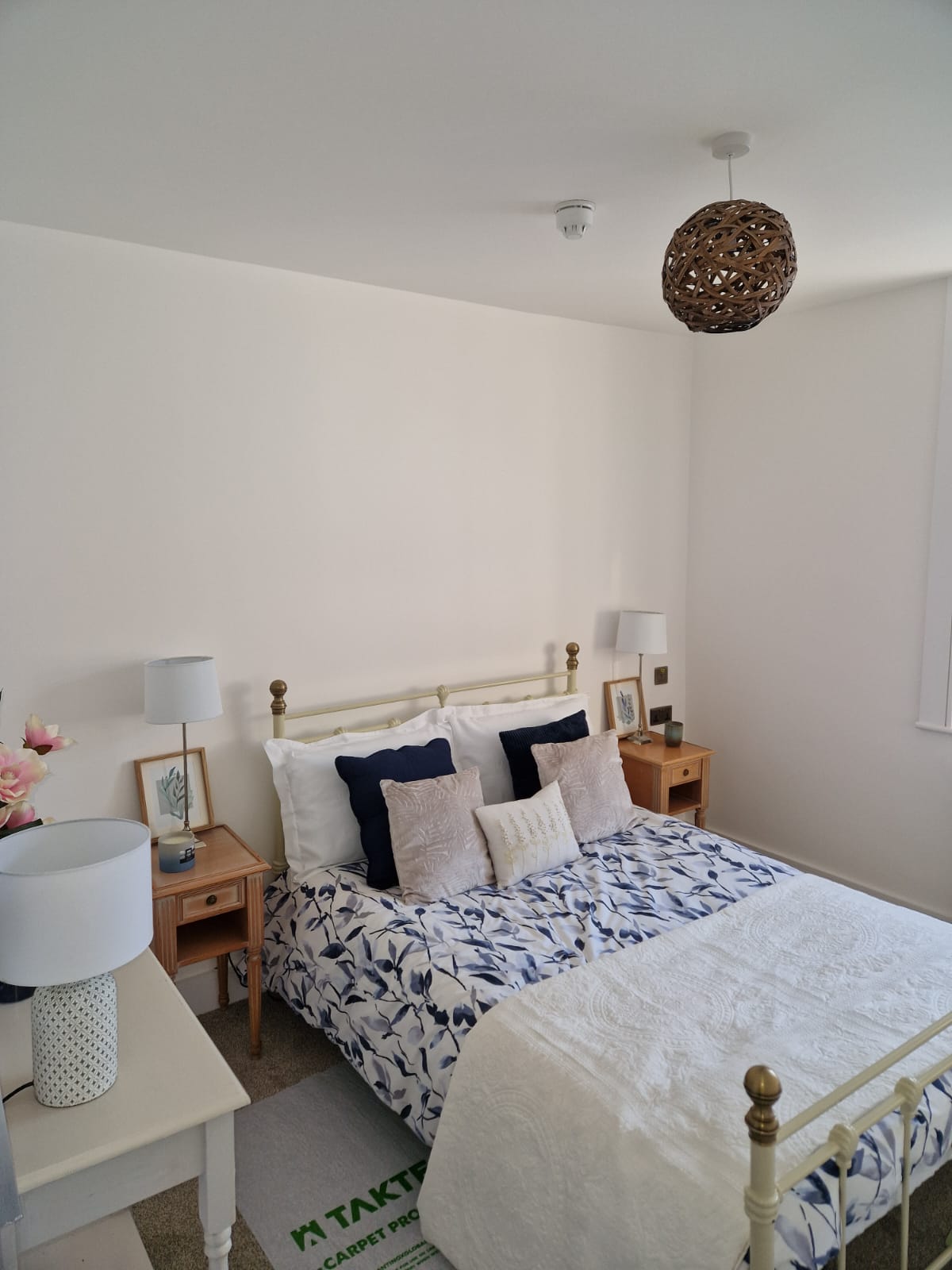
There’s no single right answer here, but a few honest questions usually point you in the right way.
Is it really the house that’s wrong, or the location? If you love the area but have outgrown the layout, building or refurbishing almost always wins. If you need to be near a different school, a shorter commute, or a completely different part of town, moving may genuinely be the only answer.
Does your plot actually have room to extend, and have you had a proper look at what your loft or garden could offer? Have you had a real conversation with a builder about what refurbishing or extending would involve, rather than just guessing? And how much disruption can you realistically live with? Renovating while staying put is disruptive but has a clear endpoint. Moving brings a different kind of disruption: viewings, chains, and the ever-present risk of a sale falling through at the last minute.
Finally, ask what the finished result will actually be worth to you, not just financially, but in terms of how much better your day-to-day life becomes. A well-planned extension or refurbishment, done properly by people you trust, tends to give back more than it costs. Moving doesn’t offer that same return; you’re simply exchanging one set of problems for another.
Knowing who to trust with either decision matters just as much as the numbers. Our guide on how to find a reliable builder in Eastbourne and avoid the cowboys is worth reading before you commit to either path, as is our piece on 7 reasons to choose the right construction company in Eastbourne.
How JP Projects UK Ltd Helps Eastbourne Homeowners Decide
This is the exact conversation our team has with homeowners across Eastbourne and East Sussex every month. JP Projects UK Ltd is a local, fully insured construction company offering full builds, renovations, refurbishments, extensions, carpentry, plastering, and roofing, and because we handle both refurbishment and extension work ourselves, we’ve no reason to steer you toward the bigger, more expensive option if a simpler refurbishment genuinely solves your problem.
Before recommending anything, we walk the property, listen properly to what isn’t working about the current layout, and talk through the realistic options honestly, whether that’s a full rear extension, a refurbishment of your existing rooms, or simply the plastering, carpentry, or electrical work needed to bring a tired space back to life.
Key Takeaways
- Moving house involves tax, agent fees, legal costs, and removals, all before you’ve improved anything about how your new home actually works.
- A well-planned extension is often a comparable investment to moving, but one that permanently solves your space problem rather than just relocating it.
- Extra space, updated kitchens and bathrooms, and better energy efficiency add the most value. Neglect and over-personalising cost the most.
- Refurbishing keeps you in a location you already know and love, while genuinely improving a home you already own.
- The right decision depends on whether it’s really your house or your area that isn’t working, so talk to a builder you trust before you decide either way.
Frequently Asked Questions
- Should I renovate or move house?
If you like where you live but have outgrown the layout, renovating or extending is usually the calmer, more cost-effective option. If the real issue is the area itself, schools, commute, or neighbourhood, moving may be the only genuine solution, whatever it costs. - What is the cost of refurbishing a house?
It depends entirely on the scope. A simple refresh, replastering, decorating, and minor repairs, is a modest project. A full refurbishment involving rewiring, replumbing, and reconfiguring rooms is a bigger undertaking, and an extension is bigger again. The right way to find out is a proper conversation with a local builder about your specific home, not a generic number. - What devalues a house in the UK?
Structural issues, poor general condition, outdated interiors, weak energy efficiency, and over-personalised design choices are the most common culprits. The reassuring part is that most of these can be prevented or reversed, with regular maintenance and sensible, neutral updates. - What adds the most value when renovating a house?
Extra living space through extensions or loft conversions, a modernised kitchen, an extra bathroom, and better energy efficiency consistently come out on top as the improvements that genuinely pay you back. - Is it cheaper to extend than to move to Eastbourne?
For most homeowners, yes, once you weigh up everything moving involves against a well-planned extension that solves the same space problem for good. It’s always worth getting a proper quote for both before deciding, rather than assuming either route is automatically cheaper.
James Pettitt is the founder of JP Projects UK Ltd, a local construction company based in Eastbourne, East Sussex, delivering full builds, renovations, refurbishments, extensions, carpentry, plastering, and roofing across Eastbourne and the surrounding area. Get in touch via the contact page or read more building advice on the JP Projects UK Ltd blog.
Follow our project photos and updates on Pinterest and Flickr, or find us on Substack, Tumblr, and LiveJournal.